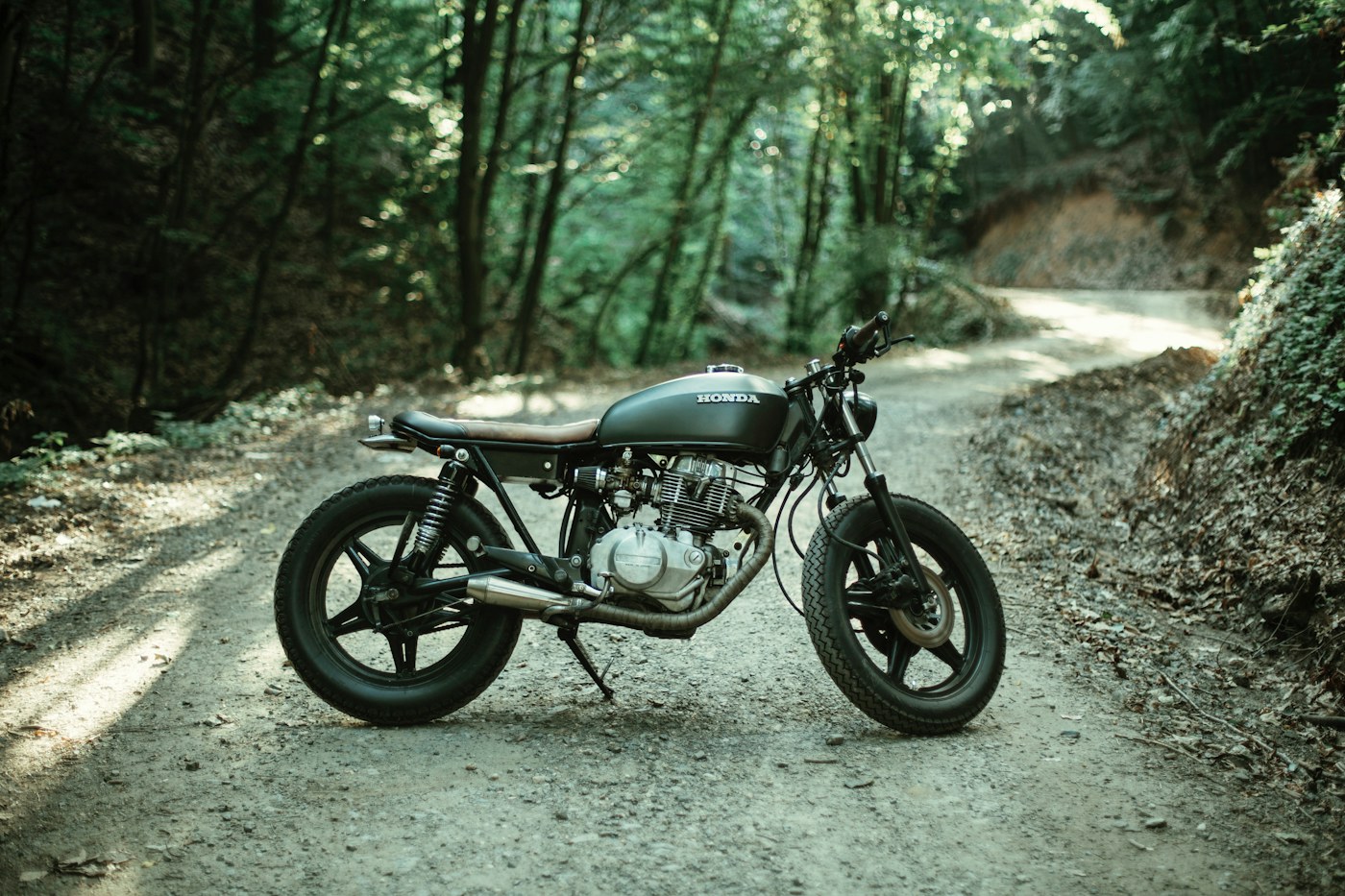
A commute that began in daylight ends after sunset, with bright storefronts, dark side streets, and several busy intersections on the route home. The front light must reveal hazards without dazzling others, while the rear light needs a clear line of sight.
Output pattern, side visibility, mounting stability, mode runtime, charge indicator, and weather resistance all affect daily usefulness. Maximum brightness matters less than an appropriate beam and dependable runtime at the setting actually used.
The most useful choice is rarely the model with the longest feature list. It is the one that fits the place it will live, the person who will use it, and the maintenance they will realistically complete. Start by writing down the recurring frustration you want to remove.
What matters in daily use
Use these checks to narrow the field before comparing finishes, bundles, or limited-time promotions.
- Choose a shaped road beam where local rules or crowded paths call for controlled glare.
- Mount the rear light where coats, bags, and seat packs will not block it.
- Compare runtime in the steady or pulsing mode intended for the normal commute.
- Select tool-free mounts only if they remain tight on rough pavement.
- Create a regular charging routine and carry a small backup for unexpected delays.
Confirm important specifications on the current manufacturer or retailer page. Materials, included parts, compatibility, and instructions can change without notice.
A scenario-based shortlist
These product types solve different versions of the problem. MagazineSaaS has not physically tested the individual models linked below; the shortlist is a practical framework for further research.
USB-rechargeable commuter set
Best for: Routine city trips and simple paired charging.
Tradeoff to consider: Both lights may need charging together.
Explore current options ↗Retail search link; no tracked affiliate ID is active at publication.High-runtime front light
Best for: Longer rides and darker suburban roads.
Tradeoff to consider: Larger battery adds handlebar weight.
Explore current options ↗Retail search link; no tracked affiliate ID is active at publication.Compact backup light pair
Best for: Secondary visibility and emergency carry.
Tradeoff to consider: Not intended to illuminate unlit roads.
Explore current options ↗Retail search link; no tracked affiliate ID is active at publication.Think beyond the checkout
Purchase price is only one part of value. Consider storage, cleaning, replacement parts, consumables, charging space, return shipping, and the time required to keep the product working well. A slightly simpler item can be the better long-term buy when it is easier to use and maintain.
If fit, comfort, or color matters, preserve the packaging and tags until you have checked the item indoors. For installed products, read the return policy before drilling, cutting, washing, or discarding protective material.
Before you buy
Avoid aiming a powerful light into the eyes of oncoming riders and drivers. Flashing modes may be restricted in some places, so check local regulations and never assume lights replace reflective details or attentive riding.
Measure the product and the route it must travel, open, charge, dry, or store. Check who handles warranty service, what the return window excludes, and whether commonly replaced parts are readily available.
The bottom line
Build the setup around the darkest part of the regular route and the length of the ride. Secure mounts, honest runtime, and visible charge status make a modest light set easier to trust.
Choose the option whose limitations you understand and can live with. If a listing does not clearly explain dimensions, materials, essential compatibility, care, or return terms, keep researching.